

Understanding Empty Disposable Vapes and Hardware
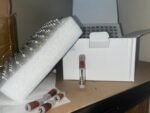
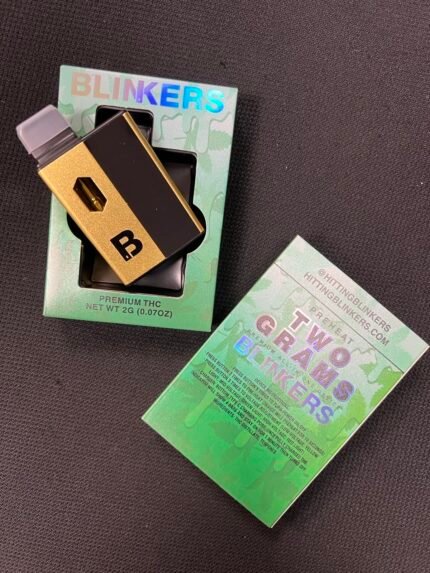
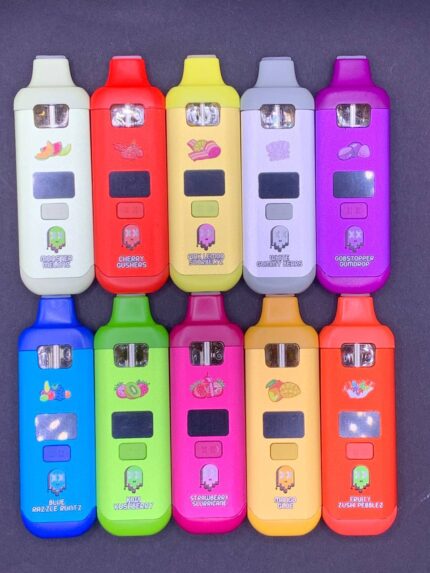
Empty disposable vapes are all-in-one (AIO) devices.
They hold certain oils or concentrates.
The end user or a maker fills them
People throw them away after the first tank runs empty
Unlike modular systems, these devices have no separate parts.
Modular systems use a 510-thread battery and a removable cartridge.
Disposable AIO devices combine the battery, heater, and tank in one body.
Manufacturers mainly use this design for thick extracts.
Examples include distillates, live resins, and rosins.
These extracts need special heating to vaporize well without burning.
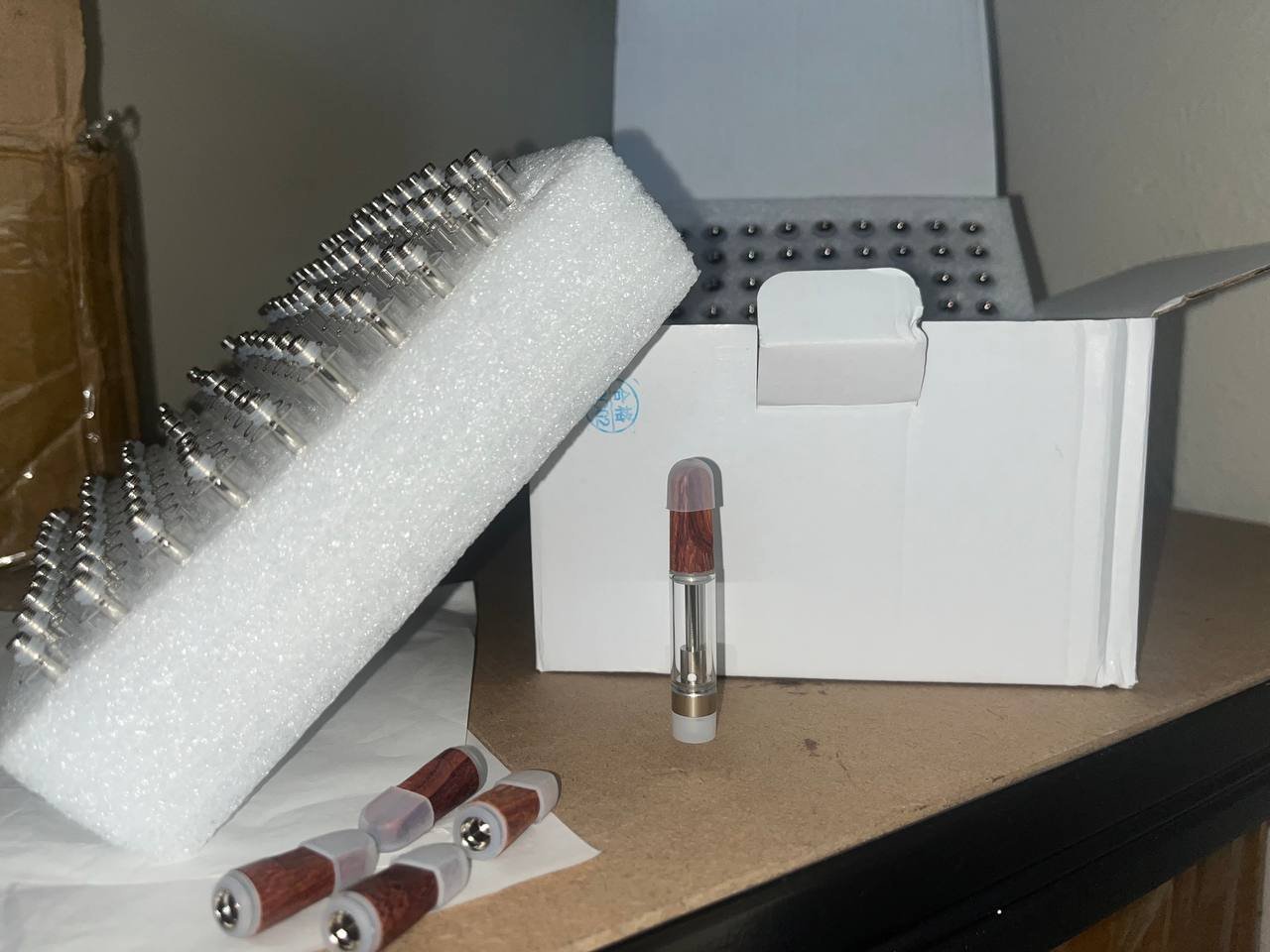
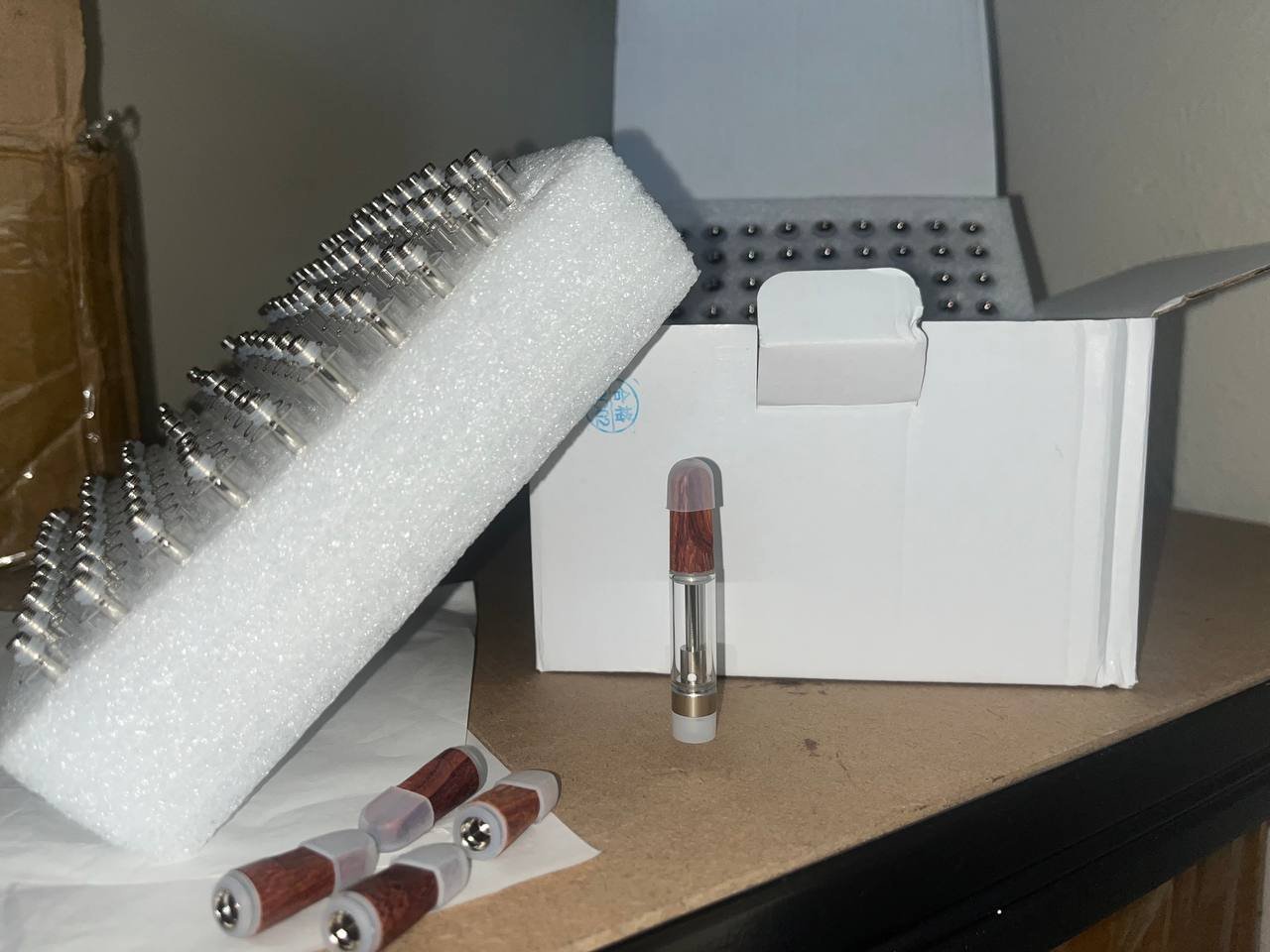
The technical design of an empty disposable vape usually uses a ceramic heating element.
People often call this part a “ceramic cell” or a “porous ceramic coil.” Technology replaced older cotton-wick systems because ceramic can handle higher heat.
Ceramic also has a more chemically inert surface.
This helps preserve the terpene profile of the oil.
Modern hardware often uses “postless” designs
In these designs, designers remove the central metal chimney.
This helps prevent heavy metal leaching.
It also increases the amount of oil the tank can hold.
These devices generally operate in a voltage range between
Technical Specifications and Components
The performance of empty vape hardware depends on the link between resistance, voltage, and the liquid’s viscosity. Most empty disposables utilize a resistance level of approximately
According to Ohm’s Law, the power
) delivered to the heating element is calculated as
is the voltage and
Higher voltages result in more vapor production but can risk thermal degradation of delicate cannabinoids and terpenes.Key components found in premium empty disposables include:
Tank Materials: High-quality units use medical-grade glass or food-grade PCTG plastic. This helps prevent chemical reactions with the stored oil. Because modern tanks can hold up to
Many disposables now include a USB-C or Micro-USB charging port.
This helps the battery last until you use all the oil
Airflow systems: Devices may have top airflow for leak resistance.
They may also have bottom airflow for better auto-draw sensor use.
Filling and Maintenance Protocols
Filling empty disposable vapes takes care and precision. It usually uses a blunt-tip syringe or automated filling machines for bulk production. Because the oils often have a viscous consistency, you may need to warm them to about.
To flow into the small apertures of the ceramic core.
Once filled, a priming period of 30 to 60 minutes is essential.
This allows the oil to fully saturate the porous ceramic wick.
It also prevents dry hits that can permanently damage the flavor profile.
While some devices have screw-on mouthpieces that may allow refilling, most experts and makers advise against it.
The lithium-ion batteries in disposables have limited charge cycles, and the ceramic heater wears out over time.
Carbon deposits, or char, can build up on the surface and reduce performance.
Trying to reuse a single-use device can cause a burnt taste and raise the risk of battery failure.
Safety, Regulation, and Disposal
Heavy metal testing mainly checks the safety of vape hardware. This helps ensure parts like the heating wire and center post do not leach metals. These metals include lead, arsenic, and cadmium.
Reputable makers provide COAs, or Certificates of assess. These documents show the hardware meets the safety standards.




Reviews
There are no reviews yet.